Cool Cars
Cool Cars
Showing posts with label car insurance. Show all posts

Wednesday, May 18, 2011

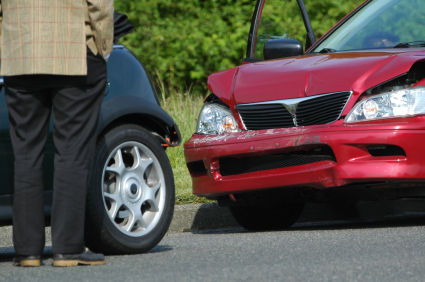
How to Determine Car Damages After a Car Accident

after a car accident
It is an article that you'd better not to read. But after a car accident, you should familiarize yourself with your insurance policy, processes and payments. After a car accident, your heart beat hard, you're breathing fast and you can not believe you just got in an accident. Look around you. Are you alive? Good. Everybody else? Better yet. Now, here's what you do when the dust settles.

After a car accident, you may be entitled to damages for personal injury and property damage.

Dealing with other insurance companies

Things you need:
  • 2 auto repair estimates
  • Car Insurance
  • Grade 3 assessments
  • Police Report

How to Determine:
  1. Make sure the other driver has all relevant information to provide the insurance company's, including your name, address, telephone number and vehicle type.
  2. Followed by a phone call to the insurance agent the other driver and set out the injuries and damages.
  3. Cooperate fully when asked about the estimates of damage or when asked to leave the car inspected by a claims representative.
  4. The current list of other property damaged in an accident: luggage, cameras, mobile phones.
  5. Know that your request and the actual cost of damages for pain and suffering and loss of working time.

Claiming car insurance
  1. Get a copy of the police.
  2. Know what protection your policy provides.
  3. Sign a document for the history and the damage will be made available to the insurance company.
  4. Make a claim for damages in medical coverage pay, even if you have other coverage or if the other person is responsible.
  5. Make a claim for damages, lost wages or long term disability protection against uninsured motorists if the other party was at fault, but are not insured or underinsured.
  6. Secure at least two car repair estimate, or value of the three tests, if the car is even.
  7. According to current estimates, and allow your car to be photographed and inspected.
  8. Current bills for towing and storage costs.
  9. Ask your agent to help provide a temporary replacement vehicle if you have rental reimbursement coverage.
  10. Notify agent of any damage to the incident was discovered during the repair of a car.

Sunday, March 13, 2011

About Car Insurance

What is Car Insurance? 

Car Insurance is insurance purchased and covering the loss or physical damage (bodily injury) of cars or vehicles are insured against the risk of traffic collision, vandalism, theft, fire and lightning strikes, and against liability that could also arise therefrom, in accordance with the conditions stated in the Policy of the insurance.

Types of Car Insurance: 

Car insurance is consisting of 2 types:
  1. All Risk (Comprehensive)
    • Comprehensive / All Risk cover loss due to traffic collision, crash, upside down, slipping, evil deeds of others (vandalism), lost vehicles, fire, flood, riot, civil commotion, loss of additional equipment, etc..
  2. TLO (Total Loss Only)
    • Total Loss Only (TLO) ensures the total losses resulting from fire, loss, accident with minimum damage to 75% of the price of the vehicle.

Friday, February 25, 2011

Car Insurance Lapse: Don’t Let a Lapse in Car Insurance Coverage Affect You

If you’ve ever let your car insurance lapse, you know what a hassle it can be to remedy the situation. Letting your car insurance lapse is also a risky move. Learn the reasons you shouldn’t let a lapse in car insurance coverage affect you and what you can do to stay protected on the road.Why you shouldn’t let your car insurance lapse:    It’s illegal. First of all, driving uninsured is against

Monday, January 17, 2011

car insurance quotes online

car insurance quotes online

Florida car insurance companies have many different insurance companies that offer good rates for good drivers. High-risk drivers will pay a higher premium than what a low risk driver will. There are automobile insurance companies that require you furnish all information to obtain car insurance from their company. Auto insurance quotes for high-risk drivers will be higher then those for a low risk driver. The eligibly requirements from company to company vary; therefore, comparing car insurance rates is always necessary. A high-risk driver pays a very high premium when living in Florida. If you are single and have a bad driving record, your insurance rate reflects a high monthly premium. Florida car insurance is mandatory and judges have been known to impose stiff sentences and take cars that do not have insurance on them

If somebody else causes the accident then their third party liability may cover it, but if your private auto is worth more than $10,000 then possibly not. The state of Florida follows a No-Fault insurance system meaning your insurance company will make payments for your injury claims regardless of fault, up to a specified limit. Comprehensive coverage is another possible option. That provides you with automobile insurance cover against damage from any cause other than collision. You can get uninsured or underinsured motorist coverage to cover bodily injury caused by an uninsured and/or underinsured driver. Florida doesn’t require drivers to purchase this coverage, but you might want to consider purchasing this valuable cover. (Be aware that carrying the minimum requirements won’t cover your losses in serious accident.

If you aren’t sure what’s required in Florida state, or you are moving, educate yourself on Florida minimum state requirement and plan to exceed them.
When buying automobile insurance in Florida, you must include personal liability of $10,000 for one person involved in an accident that is caused by you, a further $20,000 cover to provide the medical costs of all persons injured in a single accident and $10,000 for damage to property, including the other driver’s car.
Incidentally, the property liability portion of your Florida auto insurance must also cover damage to your own property.